New Septic System Cost: Full Replacement Price Breakdown
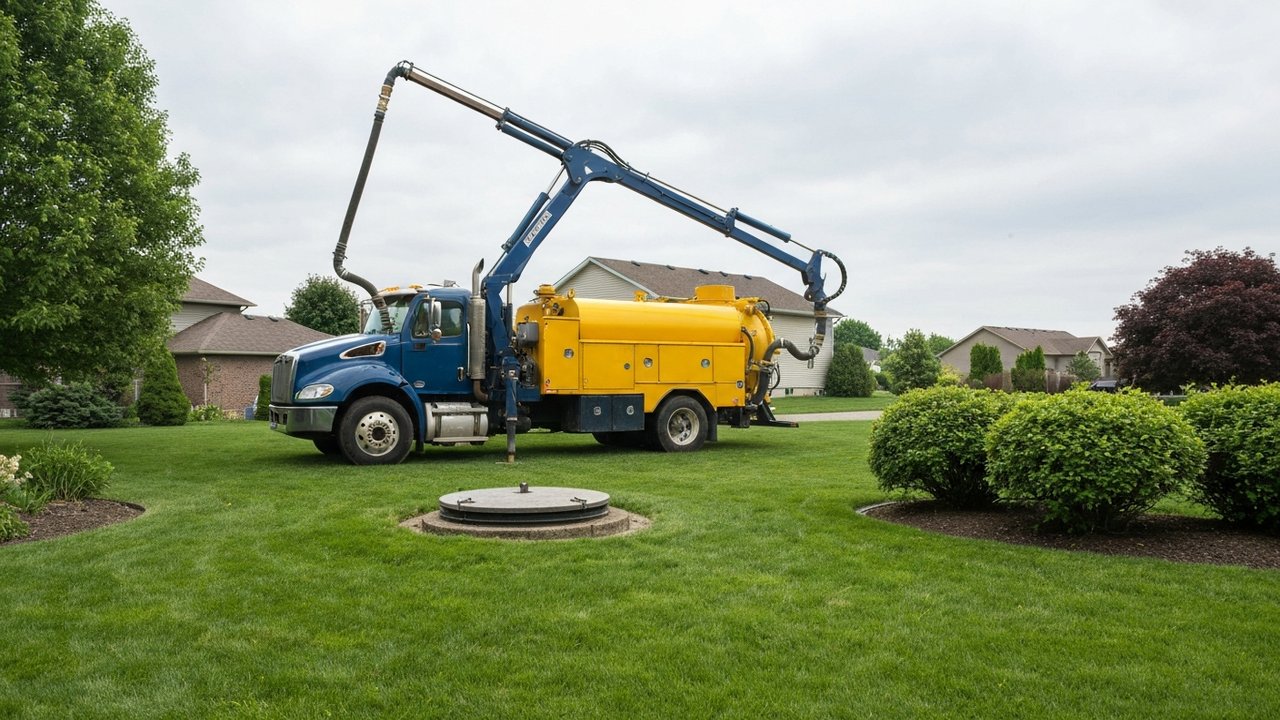
What a New Septic System Actually Costs in 2026
There is no single sticker price for a septic system, but the numbers cluster in a predictable way. For a standard residential install, The Septic Guide puts a conventional gravity-fed system at about $5,000 to $10,000 installed, and Angi reports most installations land between $5,000 and $12,000. The full market range is wider. Angi’s 2026 data shows the overall span running from around $3,000 on the simplest jobs to $25,000 or more on complex sites.
Once you step up to engineered systems the figures climb fast. Mound systems commonly cost $15,000 to $30,000, aerobic treatment units run $12,000 to $25,000, and sand filter systems land around $15,000 to $25,000, according to The Septic Guide’s 2026 breakdown. A complete replacement on a difficult lot, with a new tank and a new engineered drain field, can push past $30,000.
A note on labor: it is rarely a line you can shrink. Industry cost guides estimate labor and excavation make up roughly half the total project, so a cheaper tank does not always mean a cheaper job.
Cost by System Type
The single biggest variable is which system your soil and county allow. From least to most expensive, the common options are:
- Conventional gravity system: The default where soil drains well and the lot is large enough. Effluent flows from the tank to the drain field by gravity, with no pump. Expect about $5,000 to $10,000 installed.
- Pressure distribution: A conventional system with a pump that doses effluent evenly across the field. The pump and controls add roughly $1,500 to $4,000 over a gravity setup.
- Aerobic treatment unit (ATU): Injects oxygen to speed up treatment. The EPA notes ATUs suit smaller lots, poor soil, and high water tables. Plan on $12,000 to $25,000, plus ongoing maintenance contracts often required by the county.
- Sand filter: Filters effluent through a sand bed for higher-level treatment, useful near sensitive water or with a high water table. Roughly $15,000 to $25,000.
- Mound system: Builds an engineered sand mound above grade for shallow soil, high groundwater, or bedrock near the surface. The most expensive common option at $15,000 to $30,000.
What Drives the Price
Soil and perc test results. This is the hidden swing factor. If your soil percolates well, you may qualify for a cheap conventional system. If it drains too slowly or too fast, or the water table is high, the county may require an engineered system that costs two to three times as much. You cannot know which camp you are in until the soil is tested.
Tank size and material. A 1,000-gallon tank typically costs $900 to $1,500 for the tank itself, and a 1,500-gallon tank runs $1,500 to $2,500, per HomeGuide’s 2026 pricing. Concrete is the cheapest and most common at roughly $800 to $1,500, plastic and polyethylene run $600 to $1,200, and fiberglass costs $1,200 to $2,000. Bigger homes with more bedrooms need bigger tanks, which your county sizes by bedroom count.
Drain field size and type. The drain field, also called the leach field, is often the priciest single component. Conventional drain field work runs about $5,000 to $15,000, while engineered fields for mound or ATU systems run $10,000 to $20,000. Field size scales with household size and soil capacity.
Permits and engineering. Most counties require a permit, generally $100 to $2,500 depending on jurisdiction. Engineered systems also need a licensed designer or engineer, which adds to the bill.
Site access and excavation. Rocky ground, steep slopes, a long run from house to field, tight access for equipment, and site restoration afterward all add cost. Restoration alone can run $500 to $5,000.
Region. Local labor rates, permit fees, and code requirements vary widely. A system that costs $8,000 in a rural Midwest county can cost noticeably more in a high-cost or environmentally restricted area.
The Perc Test and Permitting Process
Before any new system is approved, your local health department needs proof the ground can handle wastewater. That means a soil evaluation and usually a percolation (perc) test, which measures how fast water drains through the soil. A perc test commonly costs $300 to $1,500, with many homeowners paying around $1,300 once test pits and engineering review are included.
The typical sequence looks like this:
- Apply with the county health department and schedule a site and soil evaluation.
- A licensed evaluator digs test pits and runs the perc test.
- Based on the results, a system type is specified and a design is drawn (engineered systems require a professional design).
- The county reviews and issues a permit.
- A licensed installer builds the system, and the county inspects it before backfilling.
Skipping this process is not an option. An unpermitted system can block a home sale and trigger fines.
Repair or Full Replacement?
Not every failing system needs full replacement. A tank-only replacement, when the drain field still works, costs roughly $3,000 to $7,000. Signs you may need a full replacement rather than a repair include sewage backing up indoors, persistent standing water or lush green patches over the drain field, repeated backups even after pumping, foul odors that do not clear, and failed inspections. A drain field that has reached the end of its life usually means a major rebuild, not a patch.
Before assuming the worst, rule out a simpler cause. A neglected tank that has never been pumped can mimic system failure. Learn what overflow looks like in signs your septic tank is full, and review how often to pump a septic tank to keep a healthy system from failing early. Routine pumping is far cheaper than replacement, as the figures in our septic tank pumping cost guide show.
Help Paying for It
A new septic system is one of the largest repairs a rural homeowner faces, and help exists. The USDA offers Section 504 grants and low-interest loans to eligible rural homeowners for repairs that include septic systems. Many states and counties run their own loan or grant programs, sometimes funded through the EPA’s Clean Water State Revolving Fund, and some lenders offer dedicated septic financing. Ask your county health department what local programs apply before you pay out of pocket.
FAQ
How much does a full septic system replacement cost? A complete conventional replacement commonly runs $8,000 to $20,000 or more, and engineered replacements (mound, aerobic, sand filter) run $15,000 to $30,000 or more, depending on soil, system type, and site access.
Why are mound and aerobic systems so much more expensive? They are engineered systems built for poor soil, high water tables, or shallow bedrock. They need pumps, electrical work, professional design, extra materials, and often a mandatory maintenance contract, all of which raise the cost well above a simple gravity system.
Do I really need a perc test? Almost always, yes. Counties require a soil evaluation and usually a perc test before permitting a new or replacement system, because the results determine which system is allowed. The test runs about $300 to $1,500.
Is it cheaper to repair than replace? Often, yes. If the tank fails but the drain field is sound, a tank-only replacement runs roughly $3,000 to $7,000. A failed drain field, however, usually requires a major rebuild close to full-system cost.
This article is educational and is not professional or engineering advice. Costs vary by site and region, and no outcome is guaranteed. Confirm requirements and pricing with your local health department and licensed installers.
- Septic Pump-Out Schedule Calculator Estimate the years between pump-outs from your tank size and household, and get a reminder.
Related guides
Cost to Repair a Septic System
What common septic repairs cost in the US, from a simple baffle swap to a failed drain field, and how to know which repairs are worth making.
Read the guide →Cost to Move or Relocate a Septic Tank
Relocating a septic tank means a full new installation plus abandoning the old one; most homeowners pay $8,000 to $25,000 or more depending on site and drain field needs.
Read the guide →Small Septic System Cost for Tiny Homes and Cabins
What a small septic system actually costs for a tiny home, cabin, or seasonal property, plus what drives the price and when a conventional system won't work.
Read the guide →Know what septic service should cost
Before you call a company, it helps to know the typical price for pumping, repair, and replacement so you can spot a fair quote. Our cost guide breaks it down.
See septic cost guide →