How Much Does a Septic Inspection Cost?
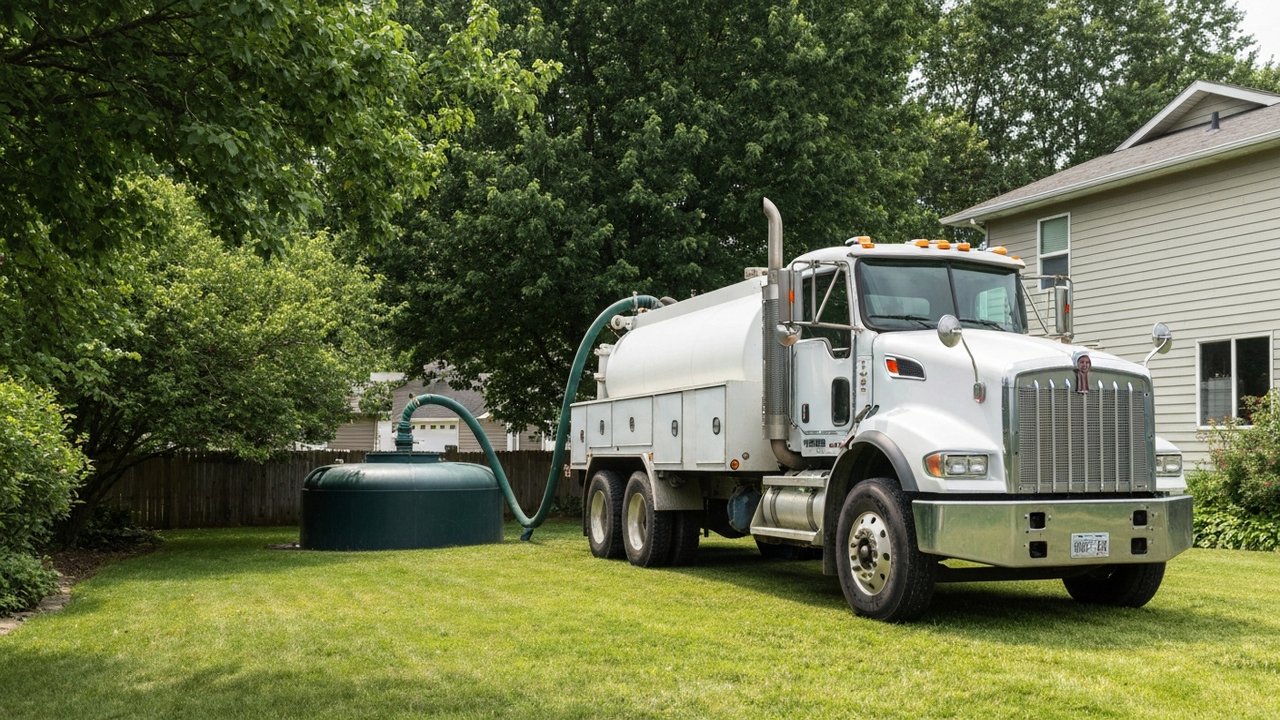
Types of septic inspections (and what each costs)
The term “septic inspection” gets used loosely. Knowing which type you need helps you compare quotes and avoid paying for more than necessary.
Routine inspection during pumping. When a licensed pro pumps your tank, a good technician visually inspects the inlet and outlet baffles, looks for obvious cracks or leaks, and notes the sludge and scum depth. This is standard practice and is often included in the pumping fee, or added for a nominal $50 to $100. It is not a comprehensive system evaluation, and it does not produce a formal written report.
Full septic inspection. A dedicated inspection by a licensed inspector or engineer goes further: the tank, baffles, distribution box, and drain field are all assessed. The inspector may run a hydraulic load test, which involves sending water through the system for a defined period to see how it responds. A standalone full inspection typically runs $150 to $450 depending on your region and system type.
Pre-purchase (real estate) inspection. If you are buying or selling a home, most lenders and many state laws require a formal septic inspection. These are more rigorous because the findings go into a written report that buyers and lenders can review. They usually include pumping and a full inspection, which is why the combined cost runs higher, typically $300 to $650. Some states require certified inspectors for real estate transactions.
State-mandated title inspections. A handful of states have formal inspection requirements tied to home sales. Massachusetts Title V is the most widely known: a licensed inspector must certify the system passes defined conditions before a property can transfer. Title V inspections often cost $400 to $700, and a failed result may require repairs before the sale can close.
What drives the price
System type. A conventional gravity-fed system is straightforward to inspect. An aerobic treatment unit, a mound system, or any system with pumps, dosing timers, or multiple treatment stages takes longer because there are more components to assess. Our overview of engineered and alternative septic system costs explains how these systems differ. Expect to pay toward the higher end of the range for anything beyond a basic gravity system.
Whether pumping is included. A pumped-down tank is much easier to inspect properly, so pumping and inspection are often done together, especially for real estate transactions. Many inspectors will not certify system condition without first pumping. Budget for $300 to $600 for pump plus inspection in most markets. For what pumping alone costs, see our guide on septic tank pumping cost.
Access and existing records. A buried lid that needs to be located and uncovered adds time and cost, commonly reported as $50 to $200 for a dig fee. Missing permit records or an unknown tank location add further labor. If your tank does not have a riser (the vertical access pipe that brings the lid to ground level), installing one typically costs $300 to $600 but eliminates the dig charge at every future service.
Regional labor and disposal costs. Prices in dense metros or high-cost states run noticeably higher than in rural areas. The same inspection that costs $250 in a rural Midwestern county can cost $500 in a coastal market, even for a similar system.
What the inspector actually checks
A full inspection typically covers the following:
- Tank condition: inlet and outlet baffles, visible cracks or structural problems, lid integrity
- Liquid levels: unusually high liquid in the tank can signal a drain field issue before any surface symptoms appear
- Distribution box: checks that effluent is being divided evenly among drain field laterals
- Drain field: visual inspection for surfacing effluent, soggy ground, or stressed vegetation; some inspectors also perform a dye test
- Pumps, floats, and timers on systems that have them
What a standard inspection generally does not include: camera inspection of buried lines, soil borings, or lab testing of the effluent. If an inspector suspects a specific problem, those are additional services quoted separately.
When to schedule an inspection outside the routine
The U.S. EPA SepticSmart program recommends having a conventional septic system inspected by a professional at least every three years, even if it is not yet time to pump. Alternative and aerobic systems need annual inspections because they have mechanical parts that can fail quietly. For a detailed schedule by system type, see our guide on how often to pump a septic tank.
Beyond the routine schedule, a few situations call for an inspection regardless of timing:
Buying a home. Never skip a septic inspection on a home purchase. A failing drain field can cost $3,000 to $15,000 or more to replace, as covered in our septic drain field replacement cost guide. The inspection fee is cheap insurance against that bill.
Slow drains or odors throughout the house. When multiple fixtures back up or you smell sewage near the tank or over the yard, get an inspection rather than guessing. These symptoms can signal a system on the edge of failure.
After extended vacancy. Systems in homes that sat empty for a year or more can develop unexpected problems because the bacterial population in the tank can partially die off or sludge can shift.
After a major storm or flooding. Saturated soil around the drain field can cause backups and confusion about whether the system itself is the problem. An inspection gives you a clear answer.
What to watch for: upsells and common problems with quotes
Most septic inspectors and companies are thorough and honest. A few things are worth watching, particularly when you are under time pressure because of a home sale.
A low initial quote that grows on arrival. Ask ahead of time whether the quoted price includes locating and uncovering the lid, pumping, the inspection itself, and a written report, or just one of those things. Getting the scope in writing before the truck arrives avoids billing surprises.
Pressure to buy additives or shock treatments. The EPA notes that a properly functioning septic system does not need additives, and no product on the market substitutes for a physical inspection. An inspector who recommends you pour something in and consider it resolved is not giving you useful advice.
No written report. A legitimate inspection for a real estate transaction should come with a written report that itemizes every finding. Verbal-only summaries are not useful if a dispute comes up later.
Recommendations for major repairs without documentation. If an inspector says you need a new drain field but cannot show you the evidence or put it in writing, get a second opinion before committing to major work. The National Environmental Health Association (NEHA) maintains credentialing for registered environmental health specialists who assess septic systems; hiring someone with recognized credentials is one way to vet qualifications.
One more note for owners on a private well: if you are scheduling a septic inspection anyway, it is a good time to also test your drinking water. A septic inspection tells you whether the system is functioning, but a water quality test tells you whether it is affecting your well. The CDC recommends that private well owners test for coliform bacteria and nitrates at least once a year. A basic well water test kit covers those core concerns. Check price on Amazon
FAQ
How much does a septic inspection cost for a home purchase? Most pre-purchase inspections, which include pumping and a written report, run $300 to $650. Systems with aerobic components, multiple tanks, or hard-to-access lids push toward the higher end. Confirm whether pumping is included in the quote or billed separately before you book.
Can I skip the full inspection and just have the tank pumped? A routine pump-out includes a visual check, but it is not a formal inspection and does not produce a written report. For a home sale, or anytime you need documented evidence of system condition, a full inspection from a licensed professional is worth the additional cost.
How long does a septic inspection take? A full inspection with pumping typically takes two to three hours, depending on access and system complexity. Simple conventional systems go faster. Aerobic systems, multi-compartment tanks, or buried lids that require digging can stretch the job to four hours or more.
What happens if the inspection turns up a problem? The inspector documents the finding in their written report. Minor issues, like a cracked baffle or a partially clogged outlet filter, are relatively inexpensive to fix. More serious findings, like a failing drain field or a compromised tank, may require significant repairs or a new system. Either way, knowing before you close on a home or before symptoms appear is far better than finding out after the fact.
This article is general educational information and is not professional plumbing, engineering, or legal advice. Costs vary by region, provider, and system type. Always work with a licensed septic professional and your local health department for inspections and any required repairs. No outcome is guaranteed.
- Septic Pump-Out Schedule Calculator Estimate the years between pump-outs from your tank size and household, and get a reminder.
Related guides
Cost to Repair a Septic System
What common septic repairs cost in the US, from a simple baffle swap to a failed drain field, and how to know which repairs are worth making.
Read the guide →Cost to Move or Relocate a Septic Tank
Relocating a septic tank means a full new installation plus abandoning the old one; most homeowners pay $8,000 to $25,000 or more depending on site and drain field needs.
Read the guide →Small Septic System Cost for Tiny Homes and Cabins
What a small septic system actually costs for a tiny home, cabin, or seasonal property, plus what drives the price and when a conventional system won't work.
Read the guide →Know what septic service should cost
Before you call a company, it helps to know the typical price for pumping, repair, and replacement so you can spot a fair quote. Our cost guide breaks it down.
See septic cost guide →