How to Pump a Septic Tank Yourself
Can you actually pump a septic tank yourself?
The reason you cannot is not that it is physically dangerous but that the infrastructure simply does not exist for homeowners to do it. A real pump-out uses a large vacuum truck with a 3 to 4 inch hose that generates enough suction to pull thick, dense sludge from the bottom of the tank. These trucks hold 3,000 to 5,000 gallons or more. A shop vac, sump pump, or any residential pump would clog immediately on contact with that material.
More important: septic waste is regulated. In all 50 states, septage (the contents of a pumped septic tank) must be transported by a licensed hauler and disposed of at an approved facility, typically a municipal wastewater treatment plant or a permitted land-application site. The National Environmental Health Association (NEHA) and your county or state health department enforce these rules. Homeowners cannot haul it themselves, and you cannot legally discharge it anywhere on your property. Violations can result in fines and environmental liability.
So if you have seen products marketed as “DIY septic pump kits,” be skeptical. They are generally not designed to pull sludge, and none of them solve the disposal problem.
What you can do yourself
That said, there is real prep and maintenance work that homeowners can handle without any license, and doing it consistently saves money and protects the system.
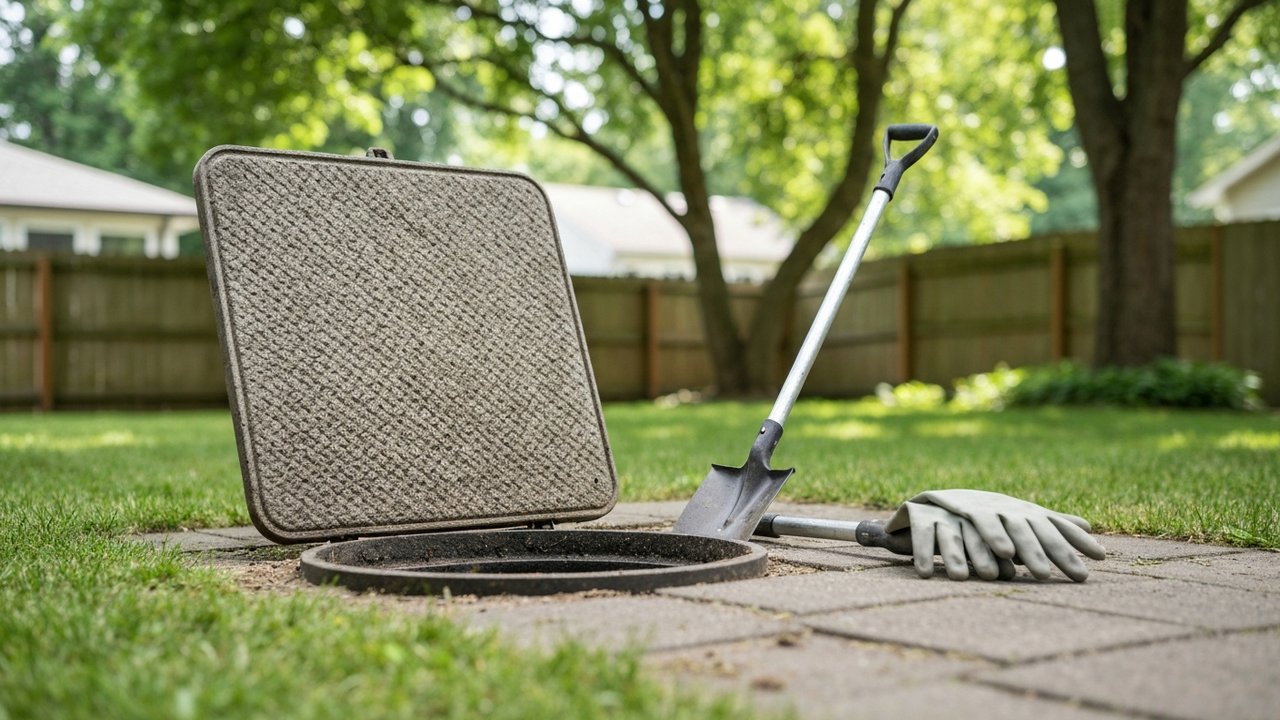
Locate and uncover the lid. If your tank lid is buried, dig it up yourself before the service truck arrives. Start with your property’s as-built septic diagram, which your county health department usually keeps on file or which came with your home purchase paperwork. If you do not have it, a 3/8 inch steel rod pushed gently into the soil can help you find the tank edges by feel, typically within a foot or two of the surface. Once you have the location, a shovel and an hour of work can expose the lid yourself. Most septic companies charge a separate dig fee of $50 to $200 when they have to locate and uncover a buried lid; doing it yourself pockets that money.
If you have not already, ask the company to install a riser after the pump-out. A riser is a vertical pipe that brings the access port to ground level, so there is never a dig fee again. Risers typically cost $300 to $600 installed, but they pay for themselves within a couple of service visits.
Measure the sludge and scum layers. A septic sludge judge (a clear acrylic tube with a check valve on the bottom) lets you measure the sludge depth through the access port without opening the tank fully. Lower the tube into the sludge layer, let it fill, pull it out, and read the depth. The U.S. EPA’s SepticSmart guidance says the sludge layer should not build to within about 12 inches of the outlet baffle, and the scum layer’s bottom should not drop within about 6 inches of the outlet. Checking this every year or two tells you whether you are on schedule or overdue, rather than guessing. A basic sludge judge runs about $30 to $60. Check price on Amazon
Clean the effluent filter. Many tanks built or upgraded in the past few decades have an outlet filter (also called an effluent filter) installed in the outlet baffle. It catches solids before they reach the drain field. These are designed to be homeowner-maintained. Wear gloves, pull the filter out of the outlet baffle, rinse it thoroughly with a garden hose into a bucket, and reinstall it. Do this every one to two years. A clogged filter can back sewage into your home; a clean one can add years of life to your drain field. Replacement filters cost $30 to $100 if yours is damaged. Check price on Amazon
Keep a service log. After each pump-out, note the date, the tank’s sludge and scum measurements the pro recorded, and any observations. A card taped inside the access riser lid or a note in your phone does the job. Over two or three cycles you will have real data on your actual interval rather than relying on the general three to five year rule.
What happens during a professional pump-out
When the truck arrives, the job is usually fast. The technician locates the access port (much faster if you have already uncovered it), lowers the vacuum hose into the tank, and removes the sludge, liquid, and scum. A standard tank takes 30 to 60 minutes. The waste goes into the truck and then to a licensed disposal facility.
A good technician also inspects the baffles and looks for cracks or signs of structural problems while the tank is empty. Ask for this inspection if the company does not mention it. Some include it; some charge a small extra fee. For a breakdown of what is typically included in a service call and how to avoid being upsold, see our septic tank pumping cost guide. For a full schedule based on household size and tank volume, see how often to pump a septic tank.
What to do between services
The biggest variable you control between pump-outs is what goes into the tank. A few habits can meaningfully extend your interval.
Never flush: wipes (including brands marketed as “flushable”), feminine hygiene products, paper towels, dental floss, cigarette butts, or prescription medications. Never pour cooking grease, chemical drain cleaners, solvents, antifreeze, or large amounts of bleach or harsh cleaners down the drain. The bacteria inside the tank break down waste; harsh chemicals disrupt that process, and some compounds can reach groundwater, which matters significantly on properties with a private well.
Garbage disposal use is the single biggest DIY variable. A disposal sends a large volume of food solids into the tank, which is one of the four major factors the EPA’s SepticSmart program identifies as shortening your pumping interval. Using the disposal sparingly or not at all is the easiest way to get more years out of each pump-out cycle.
Laundry habits matter too. Running many loads in a single day floods the tank with water and reduces settling time. Spreading laundry across the week is a simple fix with no real cost.
For guidance on what products to use and avoid, including bacterial treatments and tank-safe cleaners, see septic tank cleaning products that work.
FAQ
Can I use a portable sump pump or wet vac to pump my septic tank? No. These tools are built for clear water, not for pulling thick septic sludge. They would clog almost immediately, and even if you could remove the liquid layer, you would not remove the accumulated solids at the bottom, which are the reason pumping is necessary. You would also still face the disposal problem, since septage cannot be legally discharged on your property.
Do I need a permit to pump my own septic tank? In virtually every US state, septage must be handled by a licensed hauler and disposed of at an approved facility. Homeowners cannot haul or dispose of it themselves. Contact your county or state health department for the specific rules in your area; these regulations exist to protect groundwater and public health, and violating them can result in substantial fines.
What can I realistically DIY to save money on septic service? Uncover the lid yourself before the truck arrives to avoid the dig fee ($50 to $200 savings), clean the effluent filter every one to two years, and use a sludge judge periodically to monitor layer depths between professional visits. None of these require a license, and together they reduce your total cost of ownership over time.
How do I find a licensed septic pumper in my area? Your county or state health department typically maintains a registry of licensed septic haulers. Your state environmental agency may also publish a directory. For non-emergency pumping, getting two or three quotes is a sensible way to check local pricing.
This article is educational information and is not professional plumbing, engineering, or legal advice. Rules and requirements vary by state and county. Always consult a licensed septic professional and your local health department for work specific to your system, and confirm what your jurisdiction requires before taking any action.
- Septic Pump-Out Schedule Calculator Estimate the years between pump-outs from your tank size and household, and get a reminder.
Related guides
How to Find Your Septic Drain Field
Locate your septic drain field before you dig, plant, or build: county permit records are the fastest first step, but surface clues and probe methods work too.
Read the guide →Septic Tank Pump Problems and How to Fix Them
Common septic tank pump problems explained with practical troubleshooting steps, including float switch failures, alarm causes, and when to call a licensed pro.
Read the guide →How to Clean a Septic Tank Without Pumping
What you can actually do to maintain a septic tank between pump-outs: effluent filter care, bacterial additives, and when pumping cannot be skipped.
Read the guide →Know what septic service should cost
Before you call a company, it helps to know the typical price for pumping, repair, and replacement so you can spot a fair quote. Our cost guide breaks it down.
See septic cost guide →